Featured
Table of Contents
- – The Fatality of the Traditional Treatment Offi...
- – AI: Your New Medical Assistant (That Never Eve...
- – The Paperwork Revolution No One Speak About a...
- – Recovering Your Life, Ten Hours each time
- – The Privacy Conversation You Can Not Avoid
- – Building Your Portable Practice: The Unglamoro...
- – The Facilities No One Sees
- – The Liberty Solution in Genuine Numbers
- – Grasping the SEO Game: Obtaining Found When It...
- – The Keywords That Really Bring Customers to Y...
- – Web Content That Transforms Browsers Into Res...
- – The Clinical AI Club and Why Area Issues A Lot...
- – Genuine Talk: The Obstacles No One States in t...
- – When Technology Stops Working (And It Will)
- – The Personal Connection Concern That Will Not...
- – The Financial Threat That Maintains You Up in...
- – The Evidence: Does This Actually Work or Is It...
- – Your Very first steps: Where to Really Start
- – The Honest Measurement Nobody Wants to Go Over
- – The Affordable Advantage Hidden in Level Sight
- – The Future Is Already Here-- It's Just Erratic...
The specialist's office is obtaining a major upgrade-- and it could not have wall surfaces anymore.
Photo this: You're sipping coffee at a café in Barcelona, concluding a session with a customer in Boston, then spending your mid-day checking out Gothic style before your next consultation. Sound impossible? For an expanding area of therapists, this is Tuesday.
The combination of synthetic intelligence and location-independent practice designs isn't simply changing where specialists work-- it's transforming how they live, what they can complete, and who they can aid. starlink vs mobile hotspot. If you've ever before really felt trapped by the typical therapy model, what adheres to could just transform your whole occupation trajectory
The Fatality of the Traditional Treatment Office (And Why That's Great Information)
The traveling specialist activity has reinvented just how medical professionals approach their professions, demonstrating that therapy is most impactful when it aligns with individual growth and adventure instead of being constrained to a fixed area.
This isn't some fringe activity anymore. It's a full-blown reimagining of what a therapy profession can be. The pandemic showed what forward-thinking therapists already understood: location matters much less than link. Now, with the infrastructure fully mature and AI dealing with the busywork, there's never been a far better time to break free from the brick-and-mortar model.
The barriers that as soon as maintained specialists tethered to conventional offices have crumbled. Technology that in fact works has actually changed those problem pixelated video clip calls that froze mid-crisis. Clients increasingly choose the ease of remote sessions, and therapists are tired of commutes, overhanging expenses, and sensation embeded one place. The question isn't whether you can practice from another location any longer-- it's whether you're ready to declare the liberty that's currently possible.
AI: Your New Medical Assistant (That Never Ever Takes Coffee Breaks)
Let's discuss the elephant in the area-- or instead, the robotic that some specialists fear will take their tasks.
Looter alert: AI isn't your substitute. It's your ace in the hole.
The Paperwork Revolution No One Speak About at Supper Parties
Professional documentation, treatment preparation, and development notes can eat plenty of hours each week, taking time from actual client care. If you've ever stayed up until midnight ending up notes while your partner asks when you're pertaining to bed, you understand specifically what we're discussing.
Here's where AI becomes really transformative. Modern systems can draft development notes from session recordings or brief specialist input, generate treatment plan layouts customized to particular medical diagnoses, and recommend evidence-based treatments based upon client discussions. They manage appointment tips, regular customer communications, and develop analysis recaps from consumption information-- all the administrative dirty work that made you question your profession selections at 11 PM on a Thursday.
Here's what AI can not and should not change: your medical judgment and therapeutic intuition. The human link at the heart of recovery. Ethical decision-making in complicated circumstances. Social level of sensitivity and nuanced understanding. The art of understanding what to state and when to claim it-- or more notably, when to remain quiet.
AI-driven electronic treatments are being utilized across mental health and wellness care to accelerate analysis, customize therapy strategies, and deliver restorative assistance while enhancing instead of replacing existing clinician services. Assume of AI as the management assistant you constantly wanted you can afford-- one that works 24/7, never makes transcription errors, and doesn't call for advantages or trip time.
Recovering Your Life, Ten Hours each time
By automating clinical notes, therapy strategies, scheduling, and customer communications, AI allows specialists to redeem significant time every week. We're not discussing saving 15 minutes here and there. Therapists report saving ten-plus hours weekly-- time that can be redirected to client treatment, expert development, or (visualize this) real remainder.
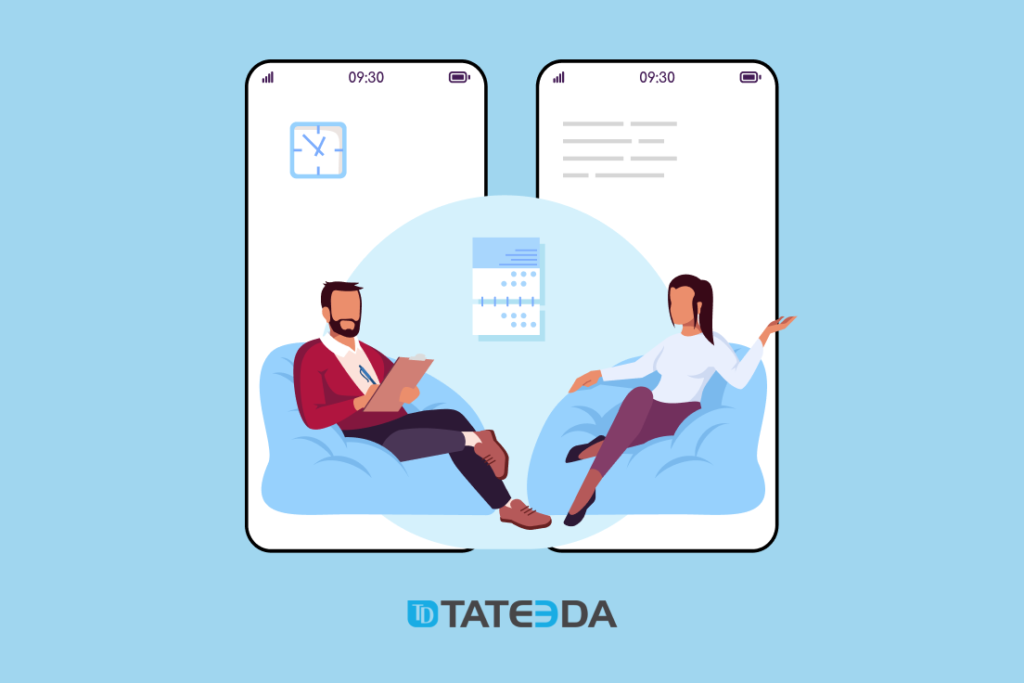
For traveling specialists, this time around financial savings is the distinction in between investing your morning on documentation in a hotel space versus exploring a new city before afternoon sessions. It's the difference between exhaustion and sustainability. In between resenting your technique and loving it once again.
The Privacy Conversation You Can Not Avoid
Before you hurry to carry out every AI device you can discover, pump the brakes. HIPAA compliance continues to be vital, and therapists must choose AI devices that incorporate solid privacy safeguards mirroring lawful needs.
The warnings are less complicated to identify than you might think. Tools that store data on non-secure web servers. Platforms without details healthcare conformity. Free tools that monetize your information (since if you're not spending for the item, you are the product) Services without clear personal privacy policies. AI systems that educate on your client information to enhance their algorithms.
Choose platforms constructed particularly for doctor, not general-purpose AI chatbots that may be feeding your session keeps in mind right into their following training dataset. The convenience isn't worth losing your certificate over.
Building Your Portable Practice: The Unglamorous Truth
Developing a location-independent technique appears enchanting up until you're handling licensing migraines, internet failings during sessions, or tax effects you never anticipated. Let's obtain actual concerning what it in fact takes.
Successful traveling specialists need to browse insurance coverage payment throughout several states, understand GDPR demands for worldwide work, make certain HIPAA-compliant modern technology, secure reputable net accessibility, and handle tax obligations when earnings is created from various places.
That's a lot. Here's the great news: thousands of specialists have actually figured this out prior to you, and they have actually paved the way with in-depth roadmaps and hard-won lessons.
The Facilities No One Sees
Your mobile practice needs unnoticeable framework-- the boring stuff that makes everything else possible. Cloud-based EHR systems that let you accessibility customer records securely from anywhere. HIPAA-compliant video platforms that aren't Zoom or FaceTime however healthcare-specific remedies designed for the regulative scrutiny we deal with. Reliable VPN solutions that secure information even on sketchy hotel Wi-Fi. Backup net solutions like mobile hotspots for redundancy. Encrypted cloud storage space for records that require added security. Technique monitoring software application that manages scheduling, invoicing, and customer communications while you're actually beyond of the globe.
The initial investment feels considerable-- someplace between 2 and four thousand bucks for equipment and regular monthly registrations that amount to maybe two hundred dollars. However compare that to standard office overhead, and the mathematics obtains fascinating quickly.
The Liberty Solution in Genuine Numbers
Therapists that accept remote work record improved work-life equilibrium, better versatility in scheduling, exposure to diverse client populations across different cultures, and substantially minimized overhead prices contrasted to preserving physical office.
Allow's equate that right into real bucks. Standard workplace rental fee runs fifteen hundred to 3 thousand month-to-month. Energies add an additional 2 to 4 hundred. Workplace furnishings require 3 to 10 thousand upfront. Your commute swipes five to ten hours weekly. And you're limited to clients that can literally reach your place.
The mobile practice model? No workplace lease. Your routine home or traveling costs for utilities. Two to four thousand one-time for quality devices. Absolutely no commute hours. And limitless geographic customer reach within your licensing constraints.
The majority of therapists come to be more rewarding within 3 to six months of going totally remote, also making up technology investments. The distinction isn't low-- it's transformative.
Grasping the SEO Game: Obtaining Found When It Issues
Right here's an uneasy truth: You can be the globe's ideal injury therapist, yet if no one can discover you on-line, your abilities do not matter. You're the best-kept secret no one understands about.
Search phrases that incorporate technology and access are vital, consisting of terms like on-line therapy, digital therapy, video clip treatment for stress and anxiety, telehealth counseling for depression, easily accessible online treatment, and secure video therapy.
The Keywords That Really Bring Customers to Your Online Door
Generic keywords like "specialist" or perhaps "on the internet therapy" audio attractive but they're extremely affordable and draw in tire-kickers. Long-tail keywords like "therapist for anxiousness in [location]" are much more reliable than generic terms because they indicate the searcher recognizes specifically what they're searching for and prepares to hire now.
The magic occurs when you get details. Online EMDR specialist accredited in California. Virtual couples counseling for interfaith partnerships. Remote DBT abilities training for healthcare workers. Telehealth therapy for expats struggling with cultural adjustment. Evening video clip therapy sessions for working parents. These searches represent people who have actually relocated past "I question if therapy could aid" to "I require this specific point today."
Intent-driven key words that signify a person is all set to involve consist of phrases like online physician near me, virtual urgent treatment, online therapy for anxiety, and telehealth services plus location-specific modifiers. When a person searches these terms, they're not researching-- they're going shopping. That's the traffic you want.
Web Content That Transforms Browsers Into Reservations
Your site shouldn't simply exist-- it must benefit you while you sleep or while you're exploring that market in Marrakech. The web content approach isn't about gaming algorithms. It's concerning addressing the precise inquiries your perfect customers are asking Google at 2 in the early morning when they can not sleep.
Just how does online therapy in fact work? Is on-line treatment as efficient as in-person? What do I need to prepare my area for sessions? Does my insurance coverage cover teletherapy? Exactly how do I discover an injury therapist I can see from home? These aren't simply blog site post concepts-- they're the real searches taking place today, entered by individuals who could become your clients if you provide them valuable answers rather of keyword-stuffed garbage.
Maximizing site material with appropriate keyword phrases like on-line therapy, telehealth therapy, online mental health and wellness solutions, and location-specific teletherapy terms helps prospective customers find your method with online search engine. Yet the optimization only works if the web content is truly useful. Online search engine are advanced sufficient to identify keyword padding, and humans certainly understand when they read content written for robotics rather than people.
The Clinical AI Club and Why Area Issues A Lot More Than Ever
One of the most significant misconceptions concerning remote practice? That it's isolating. That you'll miss out on the hallway conversations and the spontaneous peer assessments that happen when you share workplace room.
Communities like the Professional AI Club encourage specialists with sophisticated AI tools and continuous support, releasing specialists from tiresome jobs so they can dedicate even more time to guide client treatment.
These aren't simply Facebook teams where people grumble regarding insurance policy business (though that occurs also) They're thriving ecological communities where specialists troubleshoot innovation failings in real-time, share best techniques made through costly blunders, upgrade each various other on governing adjustments affecting remote technique, provide peer appointment for complex situations, develop responsibility for implementing brand-new systems, and network in methods that go beyond geography.
Taking a trip therapists can keep expert links through online neighborhoods, peer consultation teams, and digital continuing education and learning opportunities that provide scientific support despite physical place. Many specialists report their specialist networks in fact broadened after going remote. When location doesn't limit whom you can get in touch with, your globe grows, not smaller sized. You're not trading neighborhood for freedom-- you're increasing right into both.
Genuine Talk: The Obstacles No One States in the Instagram Posts
Let's resolve the fears that could be keeping you from taking the leap. The things that seems manageable till you're really managing it at a troublesome minute.
When Technology Stops Working (And It Will)
The internet will drop during a session. At some point, unavoidably, it will certainly happen. Perhaps throughout a vital breakthrough minute. Possibly when a customer remains in dilemma. Possibly when you remain in a foreign nation with strange facilities.
And you'll manage it with a method, much like you would certainly deal with any type of interruption. You keep the customer's contact number conveniently easily accessible. You call promptly if the link goes down. You use your back-up net to reconnect via video clip. You proceed by means of phone if video won't support. You reschedule if needed, without billing for cut off time. You do not stress, because panic isn't valuable and you're a specialist that prepares for backups.
Clients understand modern technology fails. What they can't accept is a therapist that stresses or doesn't have a plan. The modern technology failure isn't the trouble-- your feedback is what issues.
The Personal Connection Concern That Will Not Die
This concern is understandable however largely misguided. After the first couple of sessions, the medium becomes transparent. The restorative alliance-- that essential ingredient of reliable therapy-- establishes equally as robustly with screens as across workdesks. Occasionally a lot more so.
Many therapists uncover that specific clients in fact open more quickly from the security of their own space. The electronic camera creates affection while preserving borders that feel more secure. Trauma survivors commonly prefer not being in a small encased room with an additional person. Socially anxious customers find video sessions much less overwhelming than in-person meetings. The medium isn't substandard-- it's different, with different advantages.
The Financial Threat That Maintains You Up in the evening
Programs like those supplied with The Taking a trip Therapist give extensive training on making practices portable, whether going for full-time digital nomad condition or occasional traveling versatility.
The paradox? A lot of specialists find their methods become much more profitable after going remote, not much less. When you get rid of workplace overhead and can offer customers across more comprehensive geographical locations, your economic photo usually improves drastically.
The wise shift isn't dramatic-- it's progressive. You start with a crossbreed model, maintaining some office hours while constructing your remote customer base. You build a three-month cost cushion prior to going totally remote. You do not cancel your office lease till remote income continually surpasses what you were earning with the overhead. You spend in high quality technology from day one since affordable devices prices more in shed sessions than you conserve ahead of time. You function with an accountant accustomed to multi-state technique tax prior to the IRS develops expensive knowing chances.
The Evidence: Does This Actually Work or Is It All Buzz?
Doubters might ask yourself if this is just an additional wellness fad that appears wonderful yet supplies little. The research says otherwise.
Research shows that AI-powered therapy devices show significant scientific benefits comparable to traditional outpatient treatment, recommending this innovation uses important real-time support for people lacking regular access to psychological health and wellness professionals.
This isn't regarding replacing human therapists-- it's concerning extending their reach and effectiveness while securing their sustainability. AI manages the administrative burden that causes fatigue. Remote delivery gets rid of geographical barriers that leave backwoods underserved. The outcome? Even more people obtaining assistance from experienced clinicians that aren't melting out from documents and overhanging stress.
The end results are similar. The client complete satisfaction is equivalent. The therapist burnout prices are drastically lower. The monetary feasibility is substantially higher. The lifestyle versatility is incomparable. The proof isn't marginal-- it's compelling.
Your Very first steps: Where to Really Start
The void in between "this appears intriguing" and "I'm doing this" can feel massive. However it's not a leap-- it's a series of manageable steps that hundreds of specialists have already taken successfully.
Beginning with an honest audit of your present workflow. Which tasks consume out of proportion time loved one to their worth? Documents typically tops this checklist. Then research study HIPAA-compliant AI documents devices that incorporate with your existing systems (traveling mental health counselor). Don't upgrade everything at the same time-- that's a dish for bewilder. Pick one discomfort factor and solve it entirely before relocating to the next
Examine your state's telehealth laws while you're implementing documentation devices. Some states have incredibly liberal policies. Others maintain irritating restrictions. Understanding the landscape prior to you intend stops the dissatisfaction of uncovering limitations after you've spent time and money in the wrong instructions.
Join areas of taking a trip specialists prior to you make significant changes. These aren't just support groups-- they're databases of institutional knowledge. A person has already made every error you're contemplating. Gain from their costly lessons instead of spending for your own grad education and learning in what doesn't function.
The innovation arrangement comes next, yet don't consume over having ideal equipment prior to starting. A high quality laptop computer, suitable headset, and dependable net cover the fundamentals. You can maximize later. Many specialists postpone releasing because they're awaiting excellent problems that never ever get here. Adequate is far better than ideal sooner or later.
The Honest Measurement Nobody Wants to Go Over
Technology and freedom are amazing, however they include obligations that aren't optional accessories-- they're core requirements.
Informed permission needs to clearly attend to just how AI is used in care. Customers should have openness concerning what's being automated and what stays simply human judgment. They require to comprehend what information is saved where and what safeguards protect their privacy. Vague confidences aren't sufficient-- particular, straightforward disclosure is needed.
Information protection becomes exponentially a lot more intricate when you're functioning from different areas. Beyond HIPAA-compliant systems, you need encrypted documents storage, protected password administration systems, and careful attention to physical safety when working from public or semi-public spaces. The ease of working from a coffee shop needs to be stabilized against the responsibility of protecting client discretion. That balance is possible, but it calls for conscious attention as opposed to hope.
Cultural proficiency takes on new measurements when your customer base covers geographical areas. Remote technique usually suggests serving clients from varied backgrounds and locations. This broadened reach calls for continuous education and learning concerning the certain communities you offer and level of sensitivity to exactly how social variables influence mental health and wellness and treatment choices. The assumption that your training covered "cultural capability" properly becomes obviously insufficient when you're seeing clients from contexts you have actually never ever personally experienced.
The Affordable Advantage Hidden in Level Sight
From a pure service point of view, accepting AI and portable practice models produces considerable affordable advantages that worsen over time. Expenses decrease straight improves profit margins in manner ins which are impossible to attain by just seeing more customers. The capacity to serve customers throughout broader geographical locations expands your potential market beyond local rivals. Supplying versatile organizing throughout time zones makes your services available to clients with requiring work schedules that can not make traditional appointment times function.
Marketing comes to be a lot more straightforward when you can properly claim know-how in remote therapy-- a solution increasingly sought by tech-savvy customers who value comfort and by underserved populations who lack regional access to specialists. You're not contending on closeness any longer. You're contending on field of expertise, availability, and fit.
The specialist scarcity affecting numerous regions suggests need for quality remote solutions will continue growing for the direct future. Placing yourself as a professional in digital distribution while leveraging AI to keep professional excellence and convenient caseloads puts you at the forefront of an expanding market instead than contesting scraps in an oversaturated area.
The Future Is Already Here-- It's Just Erratically Dispersed
The combination of man-made intelligence and location-independent practice designs represents greater than a trend-- it's an essential reimagining of what a sustainable, meeting treatment profession can resemble. By minimizing management problem via smart automation and removing geographical constraints through remote shipment, specialists can concentrate on what attracted them to this profession to begin with: meaningful link and transformative customer results.
Whether your vision includes coming to be a full time digital wanderer or just having the adaptability to work from home when needed, the devices and understanding to make it take place are offered currently. The framework is fully grown. The innovation is trustworthy. The regulatory atmosphere has adjusted. The client need is verified.
The only remaining question is whether you're ready to enter this brand-new standard of restorative practice-- one where specialist quality and personal flexibility aren't competing top priorities, however complementary components of a properly designed career. One where you can provide exceptional treatment without compromising your very own health and wellbeing. One where the workplace has walls only if you want it to.
The taking a trip specialist way of living isn't for every person. For those that have actually felt constrained by conventional practice versions, who have actually wondered if there's an additional method, who have actually fantasized of even more freedom while maintaining clinical stability-- this is your minute. The course is clear. The area is waiting. The future of your technique is restricted only by your determination to embrace what's already feasible.

Table of Contents
- – The Fatality of the Traditional Treatment Offi...
- – AI: Your New Medical Assistant (That Never Eve...
- – The Paperwork Revolution No One Speak About a...
- – Recovering Your Life, Ten Hours each time
- – The Privacy Conversation You Can Not Avoid
- – Building Your Portable Practice: The Unglamoro...
- – The Facilities No One Sees
- – The Liberty Solution in Genuine Numbers
- – Grasping the SEO Game: Obtaining Found When It...
- – The Keywords That Really Bring Customers to Y...
- – Web Content That Transforms Browsers Into Res...
- – The Clinical AI Club and Why Area Issues A Lot...
- – Genuine Talk: The Obstacles No One States in t...
- – When Technology Stops Working (And It Will)
- – The Personal Connection Concern That Will Not...
- – The Financial Threat That Maintains You Up in...
- – The Evidence: Does This Actually Work or Is It...
- – Your Very first steps: Where to Really Start
- – The Honest Measurement Nobody Wants to Go Over
- – The Affordable Advantage Hidden in Level Sight
- – The Future Is Already Here-- It's Just Erratic...
Latest Posts
Rekindling Connection: An In-Depth Review of CA Couples Retreat
Finding Relief Through Integrative Therapy: Whole-Person Solutions for Anxiety Treatment
Converting Search Terms for Online Therapists
More
Latest Posts
Rekindling Connection: An In-Depth Review of CA Couples Retreat
Finding Relief Through Integrative Therapy: Whole-Person Solutions for Anxiety Treatment
Converting Search Terms for Online Therapists